Natural Supplements Supporting Visual Comfort
An educational overview of six naturally derived supplement categories commonly discussed in the context of ocular wellness, antioxidant support, and general visual well-being. This page presents information about known components and properties — not recommendations for individual use.
Understanding Natural Support for Eye Comfort
The following six categories represent areas of active nutritional research relating to ocular wellness. Each entry describes the compound or ingredient class, its natural origins, and the properties that make it a subject of interest in the context of visual health. No prices are shown, as this resource does not sell or promote specific products.
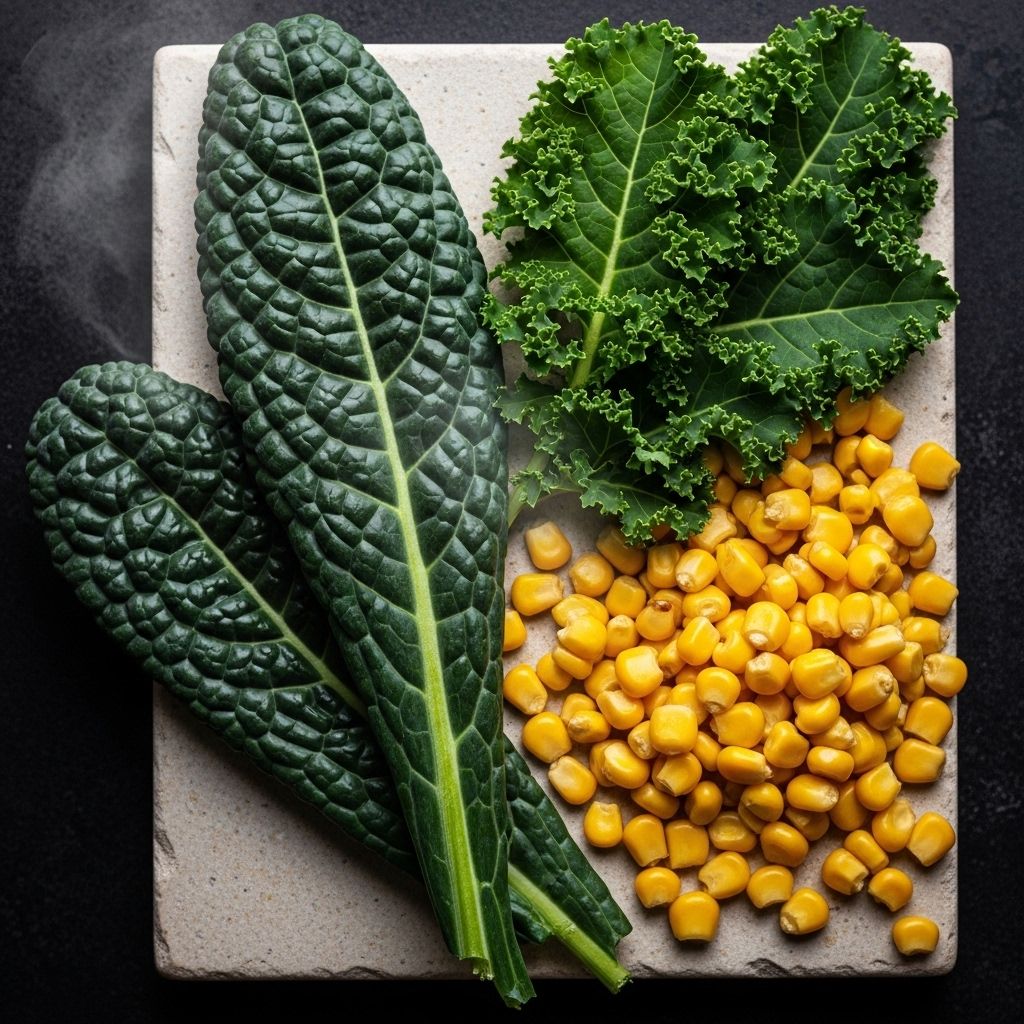 Carotenoid Complex
Lutein & Zeaxanthin Complex
This carotenoid pair is found naturally in high concentrations within the macular region of the retina. Dietary sources include kale, spinach, egg yolks, and orange-pigmented produce. Both compounds are studied for their antioxidant properties and their function as natural optical filters within ocular tissue.
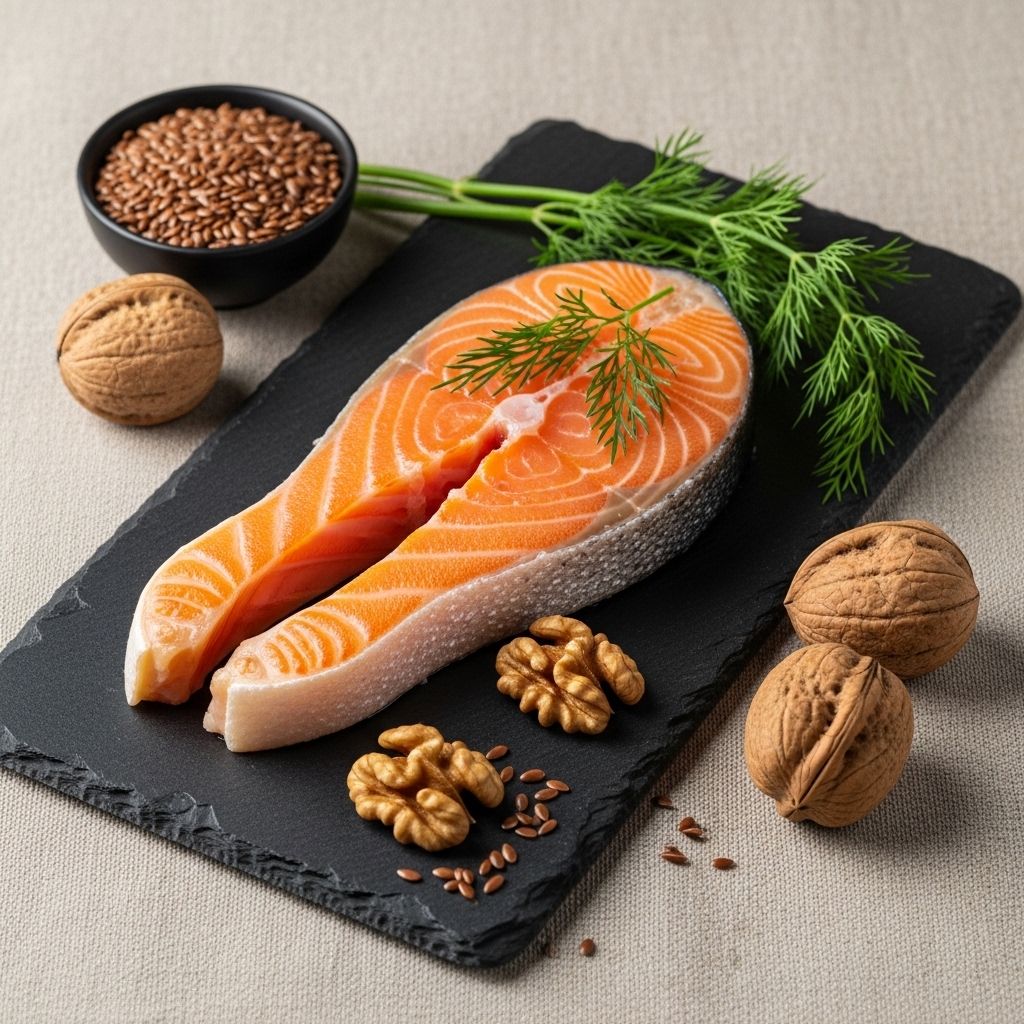 Fatty Acid Support
Omega-3 Fatty Acid Concentrate
DHA (docosahexaenoic acid) is a primary structural fatty acid in retinal cell membranes. Omega-3s are obtained from fatty fish, algae, and flaxseed. In ocular wellness research, they are associated with tear film quality, surface lubrication, and the overall lipid composition of the lacrimal gland.
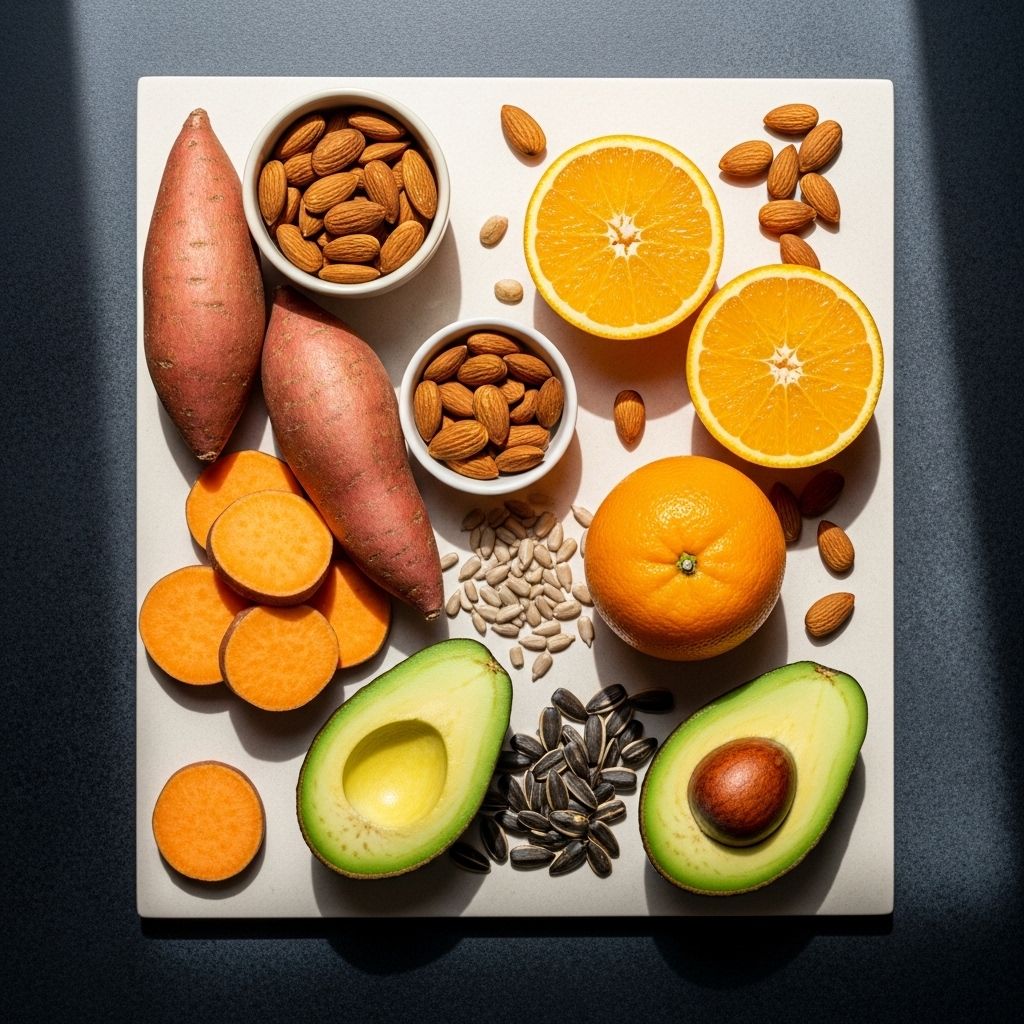 Antioxidant Vitamins
Vitamins A, C & E Blend
These three vitamins form a classical antioxidant triad relevant to ocular tissue. Vitamin A supports the normal regeneration of visual pigments. Vitamin C is present in high concentrations in the aqueous humor of the eye. Vitamin E, a fat-soluble antioxidant, is associated with protection of cell membranes from oxidative stress.
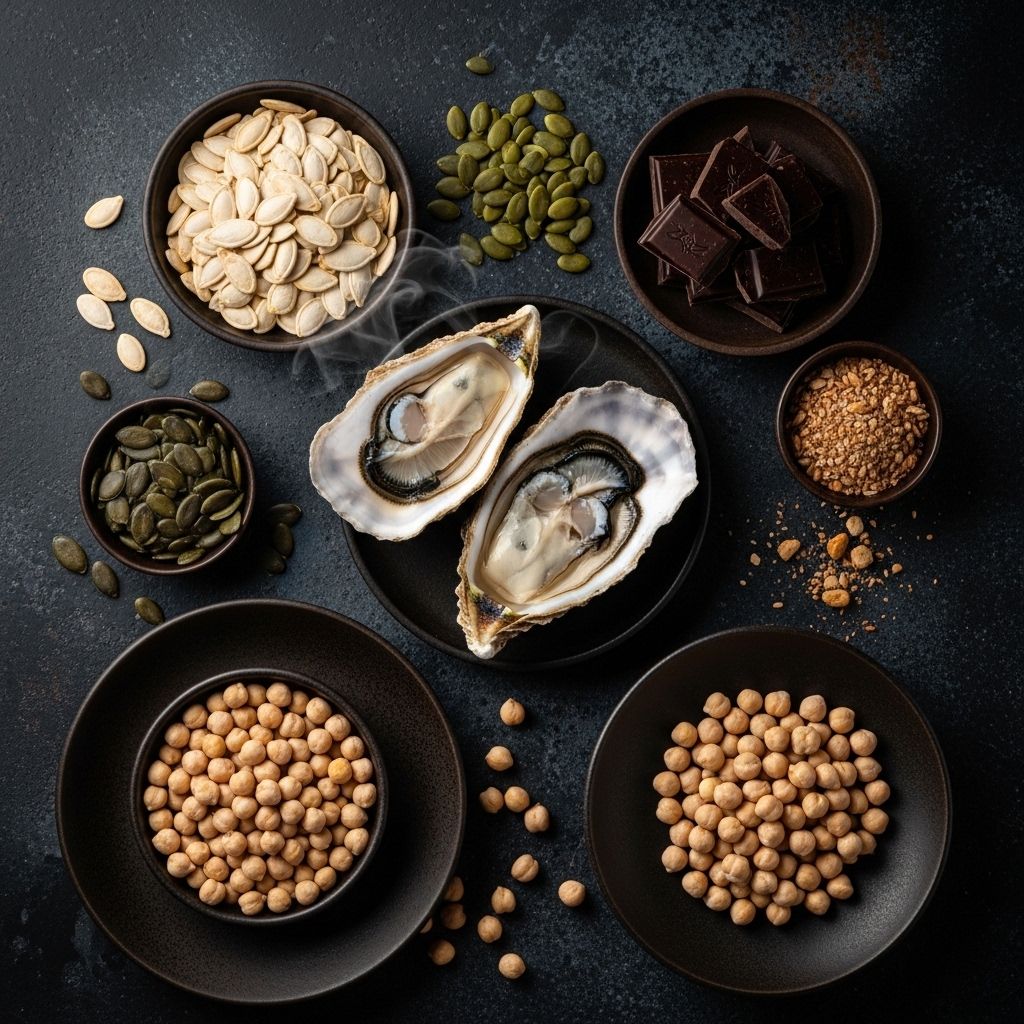 Mineral Support
Zinc & Mineral Support Formula
Zinc is one of the most concentrated minerals in the eye, particularly in the retina and choroid. It plays a co-factor role in enzymes involved in antioxidant defense and supports the transport of Vitamin A from the liver to the retinal pigment epithelium. Dietary sources include oysters, red meat, pumpkin seeds, and legumes.
 Botanical Extract
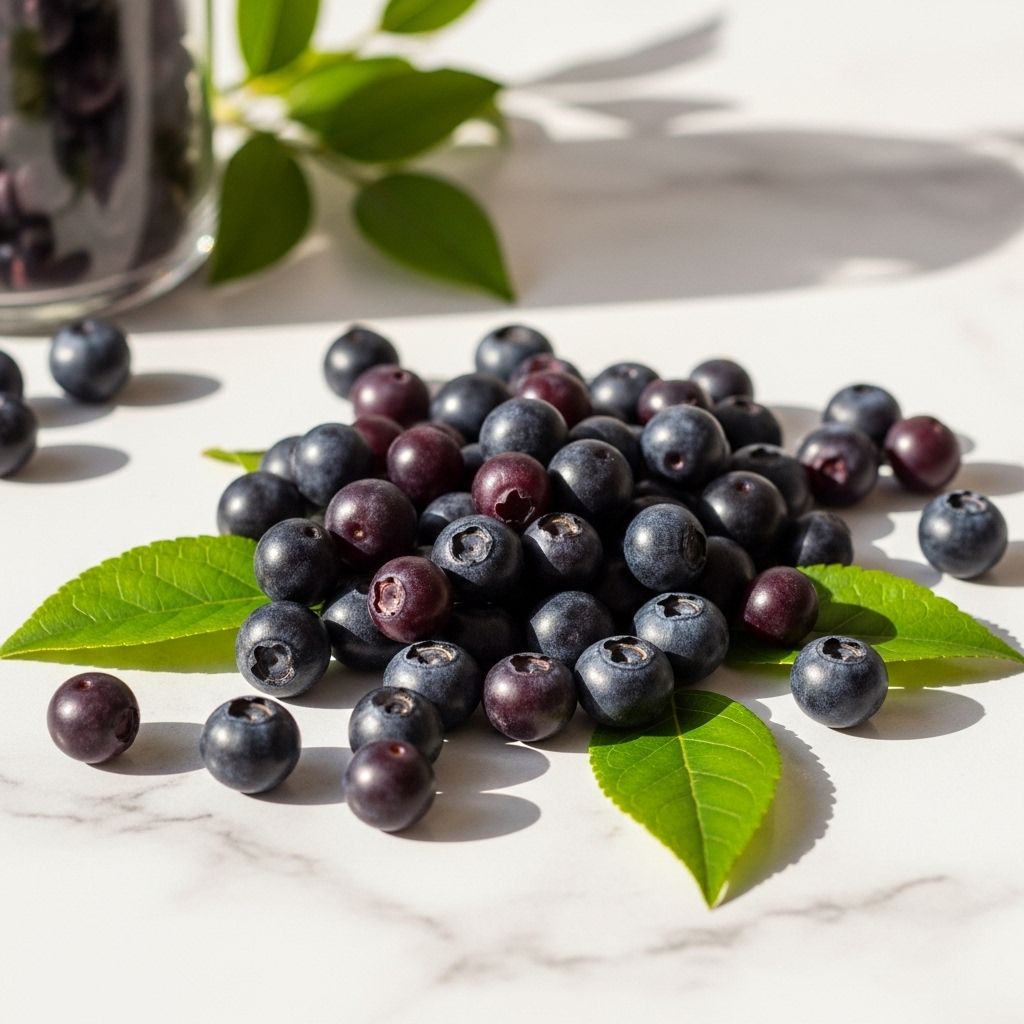
Bilberry & Berry Anthocyanin Extract
Bilberry (Vaccinium myrtillus) contains a high concentration of anthocyanins — water-soluble polyphenol antioxidants responsible for the deep blue-purple coloration of the fruit. Anthocyanins are researched for their interaction with vascular tissues and their broad antioxidant properties. Other anthocyanin-rich berries include blackcurrant and elderberry.
 Marine Antioxidant
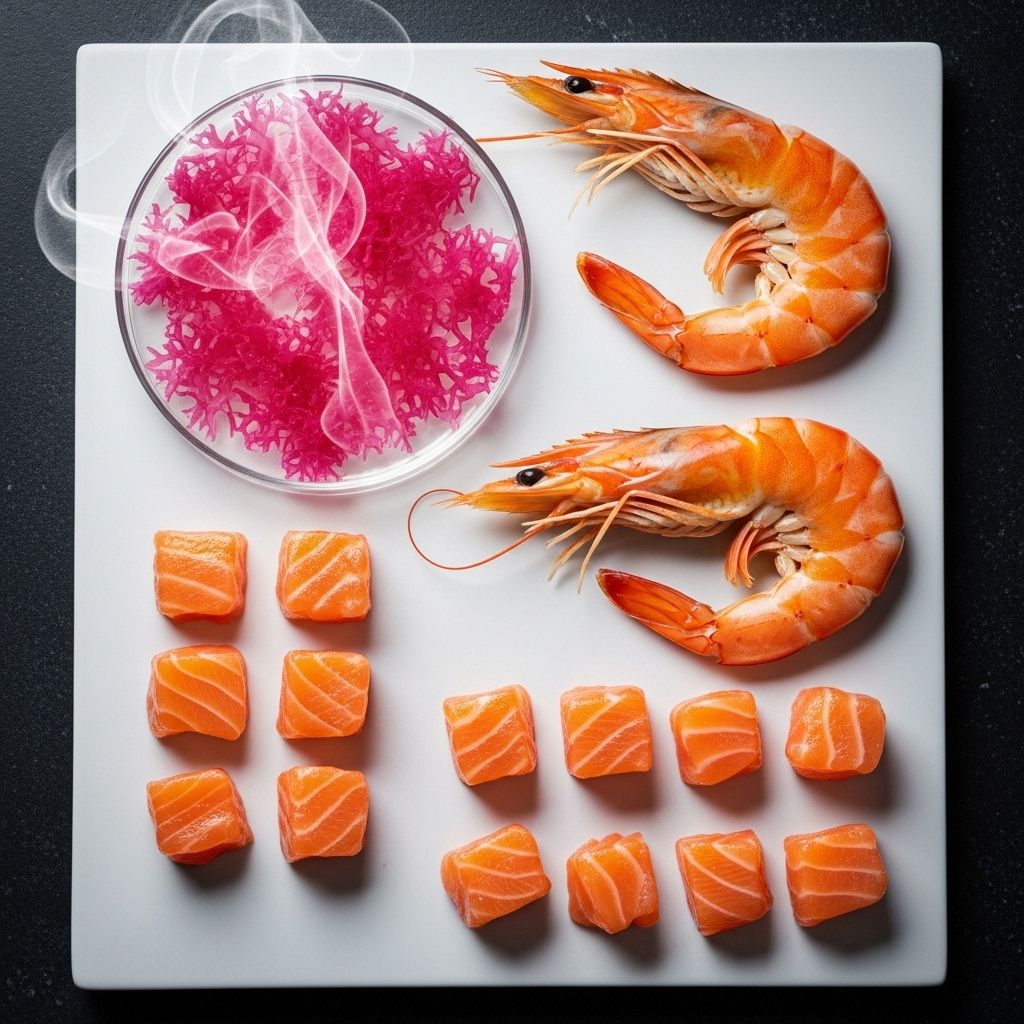
Astaxanthin from Haematococcus
Astaxanthin is a powerful carotenoid antioxidant produced primarily by the freshwater microalgae Haematococcus pluvialis. Unlike many antioxidants, it is both water- and fat-soluble, allowing it to function across a broader range of cellular environments. It is found naturally in salmon, shrimp, and krill, where it is derived from algae in the food chain.
Comparative Properties at a Glance
The following table provides a simplified informational overview of the general characteristics of each supplement category discussed above. It is provided for educational reference only.
| Supplement Category | Primary Source | Antioxidant Property | Fat-Soluble | Key Ocular Association |
|---|---|---|---|---|
| Lutein & Zeaxanthin | Marigold, leafy greens, eggs | Yes | Yes | Macular pigment, light filtering |
| Omega-3 (DHA/EPA) | Fatty fish, microalgae, flaxseed | Indirect | Yes | Retinal membrane structure, tear film |
| Vitamins A, C, E | Produce, nuts, animal sources | Yes | A & E only | Visual pigment support, oxidative defense |
| Zinc | Shellfish, seeds, legumes | Co-factor | No | Vitamin A transport, enzyme function |
| Bilberry Anthocyanins | Bilberries, dark berries | Yes | No (water-soluble) | Vascular support, broad antioxidant action |
| Astaxanthin | H. pluvialis microalgae, salmon | Yes | Dual solubility | Broad cellular antioxidant defense |
Important Informational Context
All supplement descriptions on this page are provided for general educational purposes. This content does not represent recommendations for supplementation, dosage guidance, or advice regarding individual nutritional needs. The properties described are drawn from general nutritional science literature and do not imply specific health outcomes. Readers with questions about their personal dietary needs are encouraged to consult qualified nutrition or healthcare professionals.